
SAFETTY
Staying Safe on Black Ice
Essential tips for winter travel.
As winter approaches, the streets and sidewalks can become hazardous. One of the most deceptive threats during this season is black ice—a thin, transparent layer of glaze ice that can turn a seemingly normal road into a treacherous path. At The Gerken Companies, we believe that safety should always come first, so we want to share critical information about black ice and how to stay safe while driving and walking in these slippery conditions.
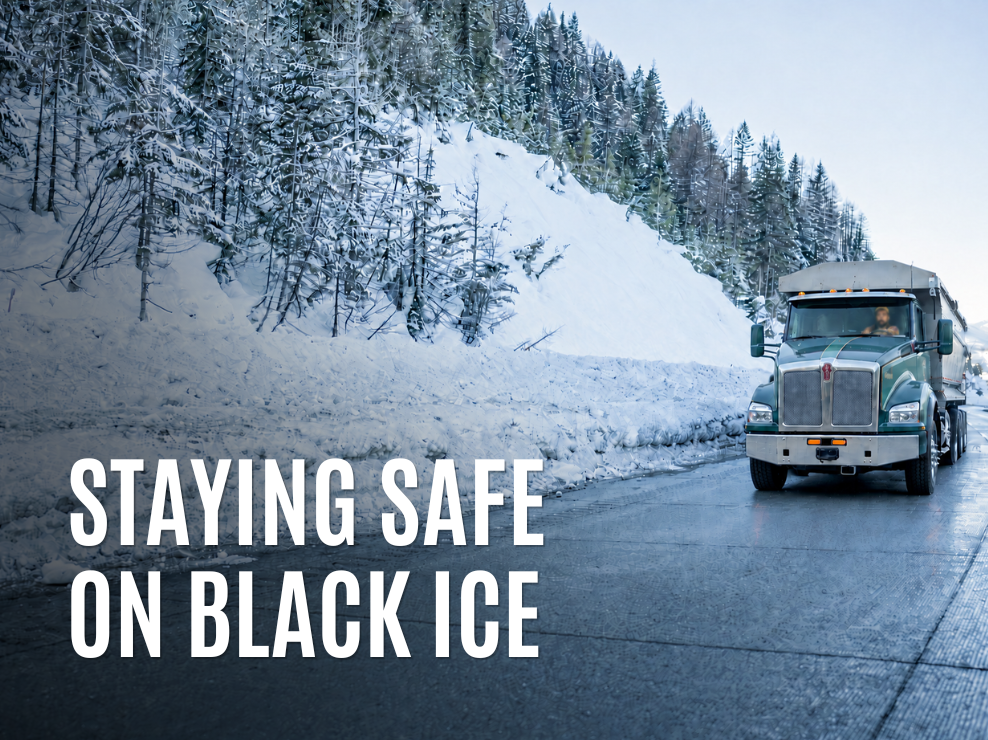
Black ice typically forms on dark pavement, often during the early morning hours, late evenings, or sudden temperature drops. It occurs when leftover moisture from rain, fog, or melting snow condenses on cold pavement and refreezes, creating a thin, nearly invisible layer. As a result, it can easily be mistaken for wet asphalt, making it crucial for drivers and pedestrians to remain vigilant.
The dangers of black ice cannot be overstated. Its near-invisible nature means that even experienced drivers might lose traction and control when their tires hit this hidden hazard, potentially resulting in skids or serious accidents. The risk is particularly pronounced in certain high-risk areas, such as bridges and overpasses, shaded spots on the road, or low-traffic back roads where temperatures can drop swiftly. Remarkably, black ice can form even when the air temperature is slightly above freezing, especially if the pavement itself is colder. That reinforces the need for constant awareness and caution in varying weather conditions. When driving, it’s important to approach each situation with caution, especially in potentially hazardous areas.
If you find yourself approaching a potentially slippery section, gradually ease off the gas by lifting your foot off the accelerator. Avoid any sudden braking or steering, as that can throw your vehicle off balance. If you do need to brake, do so gently—drivers with anti-lock brakes should apply steady pressure, while those without should tap the brakes lightly.
If your vehicle begins to slide, keep calm and steer your front wheels in the direction you want to go to regain control. Always maintain a safe following distance and avoid using cruise control, which can increase the risk of losing traction. Remember, while four-wheel drive can provide better acceleration, it won’t necessarily help with stopping or turning on black ice, so always drive with care.
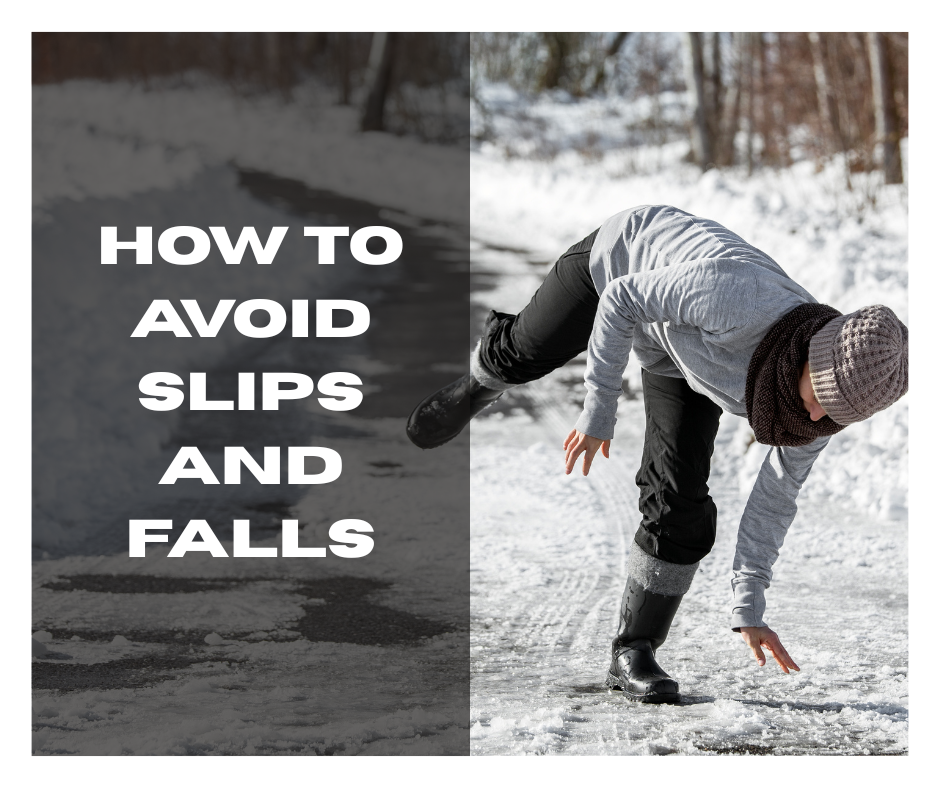
When walking in these slippery conditions, it’s best to take your time. Slow down and make small, deliberate steps—think of it as adopting a “penguin walk.” Walking with flat feet helps you maintain balance, and keeping your hands out of your pockets can aid in stability. For added traction, consider spreading sand, gravel, or cat litter on walkways. Using ice melt on steps and sidewalks can be an effective strategy to prevent slips.
At The Gerken Companies, safety comes first, especially during icy winter conditions. By staying informed and following these tips, you can protect yourself and others around you from the dangers of black ice. As always, remain cautious and prepared for changing weather conditions to ensure safe travel this winter.